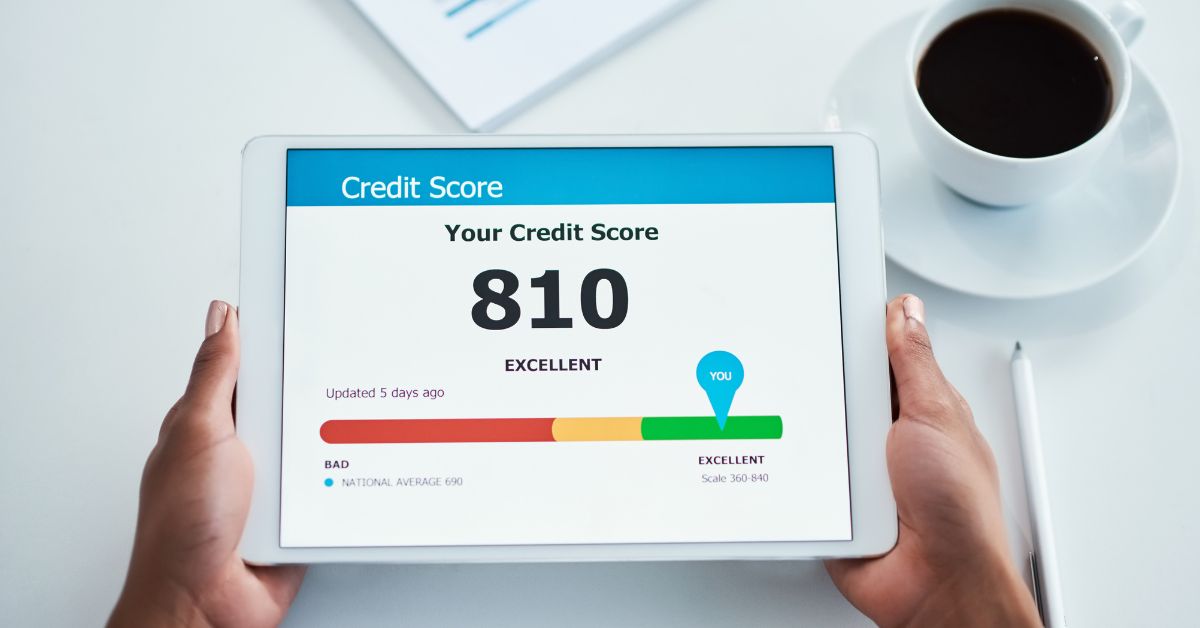

Most people think of their credit file only when they’re applying for a loan or a new credit card. But in reality, your credit file is a living document that follows you almost everywhere. It’s more than just a number; it’s a reflection of your financial reliability.
The most immediate impact of a healthy credit file is the cost of borrowing. Banks use your file to determine how “risky” you are.
It’s not just banks watching you. Landlords and property managers frequently run credit checks on potential tenants. A file littered with late payments or defaults can result in a rejected rental application—even if you have the income to cover the rent.

In many industries—especially finance, government, or senior management—employers may check your credit report as part of a background check. They view financial responsibility as an indicator of overall organizational skills and trustworthiness.
Ever wondered why some people have to pay a massive upfront bond for electricity or a mobile phone plan while others don’t? Service providers use your credit file to decide if they can trust you to pay your monthly bills on time.
Errors happen more often than you think. Inaccurate listings, outdated defaults, or identity theft can drag your score down through no fault of your own.
Your credit file matters because it dictates your freedom. If your file doesn’t accurately reflect your current financial habits, it’s time to take control.
| Feature | Impact of a Clean File | Impact of a Damaged File |
| Mortgage | Faster approval, lower rates | High interest or rejection |
| Rentals | Easy approval | May require a guarantor or bond |
| Employment | No hurdles in background checks | Potential red flag for employers |
| Lifestyle | Access to premium credit cards | Limited to “bad credit” products |
Got more questions?
Book a 30 minute free consultation and find the answers to your biggest questions about the finance world, and how you can make the most of it!